ABOUT US
About Us
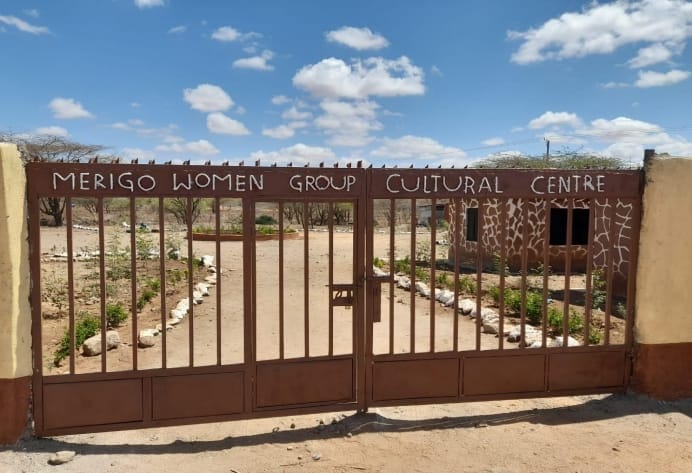
Merigo Women Initiative is a community-driven organization based in LogLogo Ward, Laisamis, Marsabit County, dedicated to empowering women, youth, and marginalized communities. We focus on promoting secure land ownership and sustainable land management, preserving the rich cultural heritage of the Rendille people, and providing skills development to improve livelihoods. Guided by leadership, integrity, and cultural preservation, we work to create a resilient future where communities control their land, protect the environment, and celebrate their traditions.
Our Beginning
Merigo Women Initiative was founded in the arid lands of Laisamis, Marsabit County, inspired by the resilience and strength of Rendille women. Facing the challenges of climate change, poverty, and limited opportunities, a group of passionate leaders united with a shared vision: to empower women and youth, secure land rights, preserve cultural heritage, and promote sustainable development. Without waiting for external aid, they created livelihoods, protected the environment, strengthened land management, and fostered a more resilient, united community. This is where our journey began—rooted in unity, culture, empowerment, and the stewardship of land.
Our Mission
To uplift and empower women, youth, and vulnerable communities by strengthening skills, promoting sustainable land and resource management, and preserving cultural heritage, while creating opportunities for growth, unity, and resilience in the face of challenges.
Our Vision
To be a leading force in empowering the Rendille community through secure land rights, cultural preservation, and sustainable environmental stewardship, fostering inclusive development and ensuring a thriving, resilient future for generations to come.
Our Mandate
Our mandate is to empower women and youth, secure land rights, preserve the cultural heritage of the Rendille people, and promote sustainable development. We are committed to fostering leadership, integrity, and resilience by providing opportunities for skill development, advocating for environmental stewardship, and ensuring that the voices of vulnerable groups are heard and supported. Through our initiatives, we strive to create a future where the community thrives in harmony with its land, culture, and environment.
Our Plans
Our plans focus on empowering women and youth, securing land rights, preserving the rich cultural heritage of the Rendille people, and promoting sustainable community development. We aim to expand skills development programs, introduce sustainable land and agricultural practices, and strengthen environmental conservation initiatives. Additionally, we plan to enhance cultural preservation through events and programs that celebrate and uphold Rendille traditions. By building stronger partnerships and raising awareness, we aspire to create lasting change and improve livelihoods for generations to come.
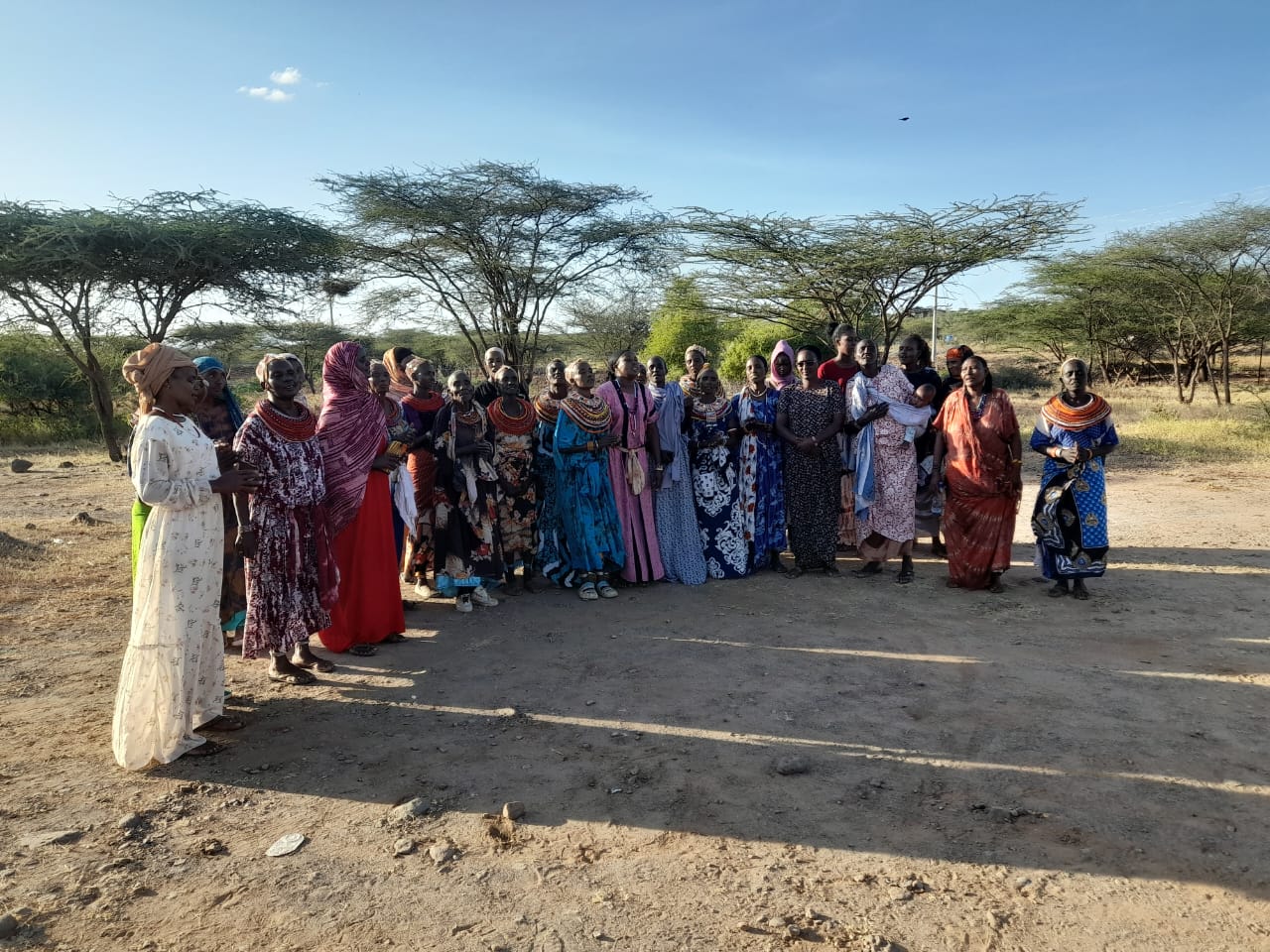
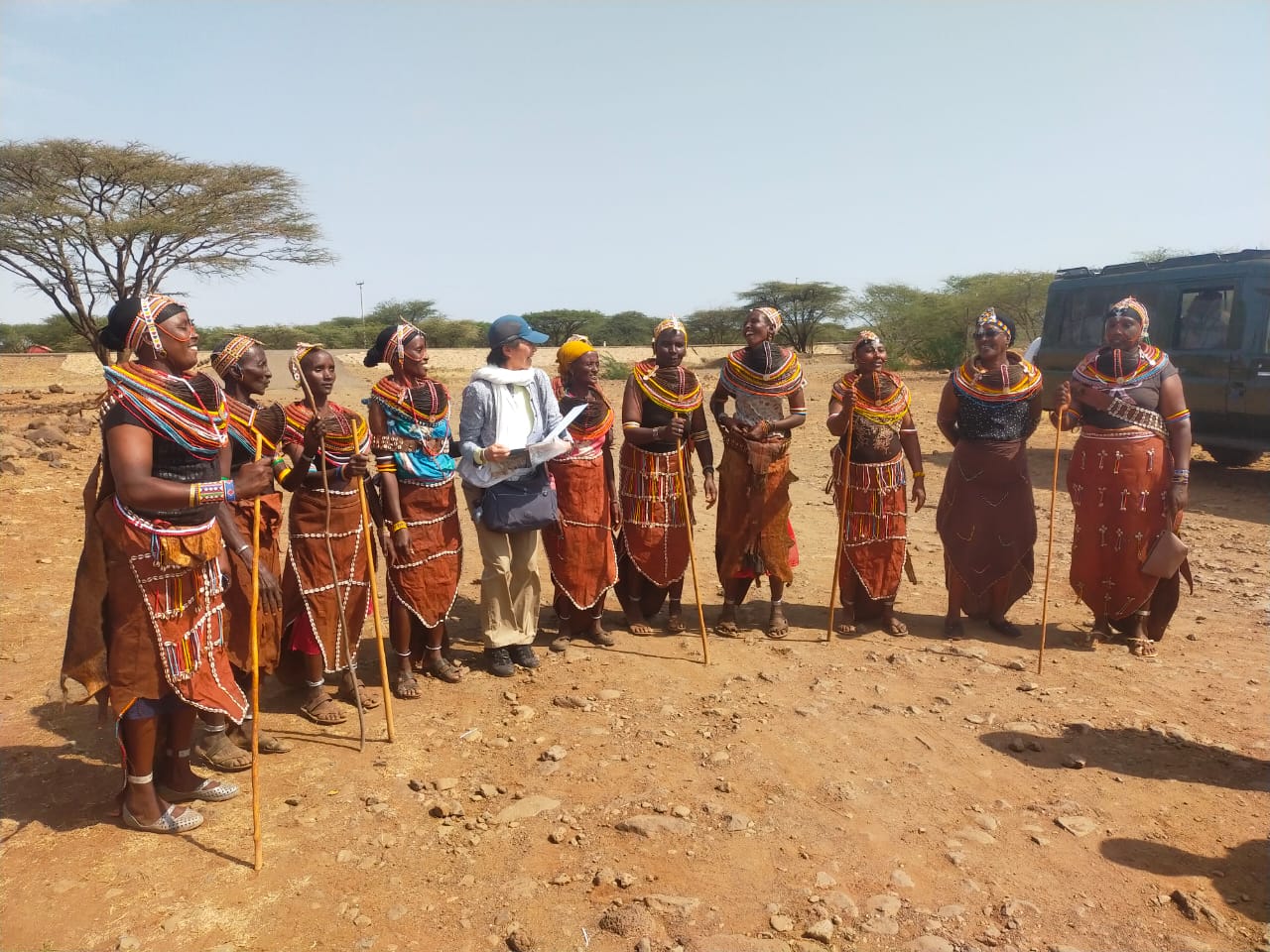
A Glimpse of Culture in motion and Strength in harmony.
“A powerful celebration of identity and unity—women raising their voices and moving in harmony to the rhythms passed down through generations. Their songs tell stories of community, courage, and tradition, reminding us that culture thrives when women lead.”
Our Story and Motivation
In the arid lands of Laisamis, Marsabit County, where the sun scorches the earth and water is scarce, the Rendille people have long thrived in harmony with their environment, guided by a rich cultural heritage. For generations, Rendille women have been the backbone of their community, nurturing families, managing livestock, safeguarding land, and passing down traditions. Yet, climate change, poverty, and limited access to resources threaten their way of life. Widows, orphans, and youth face daily struggles. It was in response to these challenges that Merigo Women Initiative was born. Inspired by the strength and resilience of Rendille women, passionate leaders united with a shared vision: to empower women and youth, secure land rights, preserve cultural heritage, and foster sustainable development. Without waiting for external aid, they created opportunities, built resilience, and laid the foundation for a brighter future.
Guided by unity, cultural preservation, and environmental stewardship, Merigo Women Initiative is dedicated to uplifting the most vulnerable, ensuring no one is left behind. Motivated by the belief that empowered individuals can collectively protect their environment, manage land sustainably, and preserve the vibrant traditions of the Rendille people, the initiative has become a beacon of hope—driving positive change and making a lasting impact on women, youth, and families in Laisamis.
Our Pillar Projects
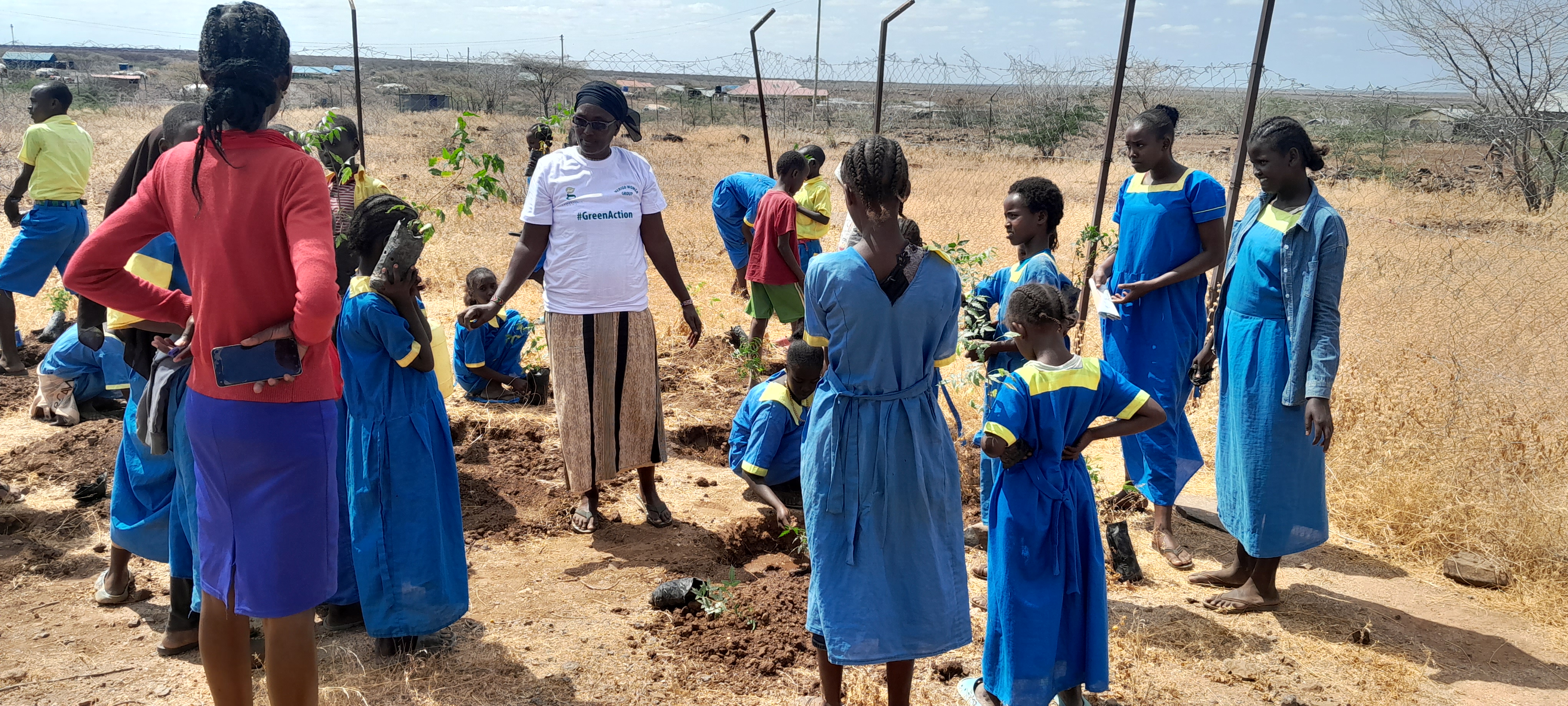
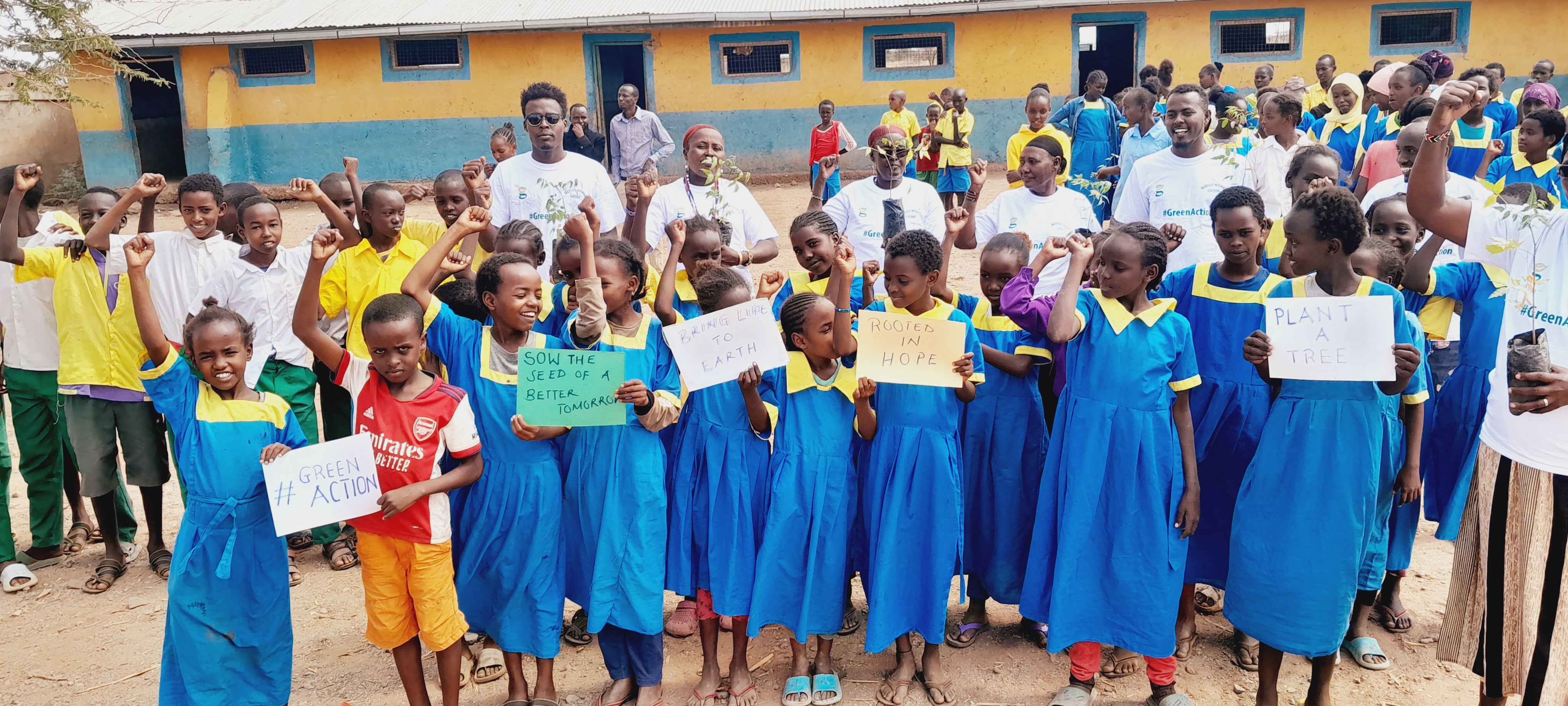
Nurturing Our Environment and Climate Action
We actively nurture the balance of our land and natural resources, promoting sustainable practices and climate-resilient solutions. Join us in protecting the environment, conserving ecosystems, and building a greener, thriving future.
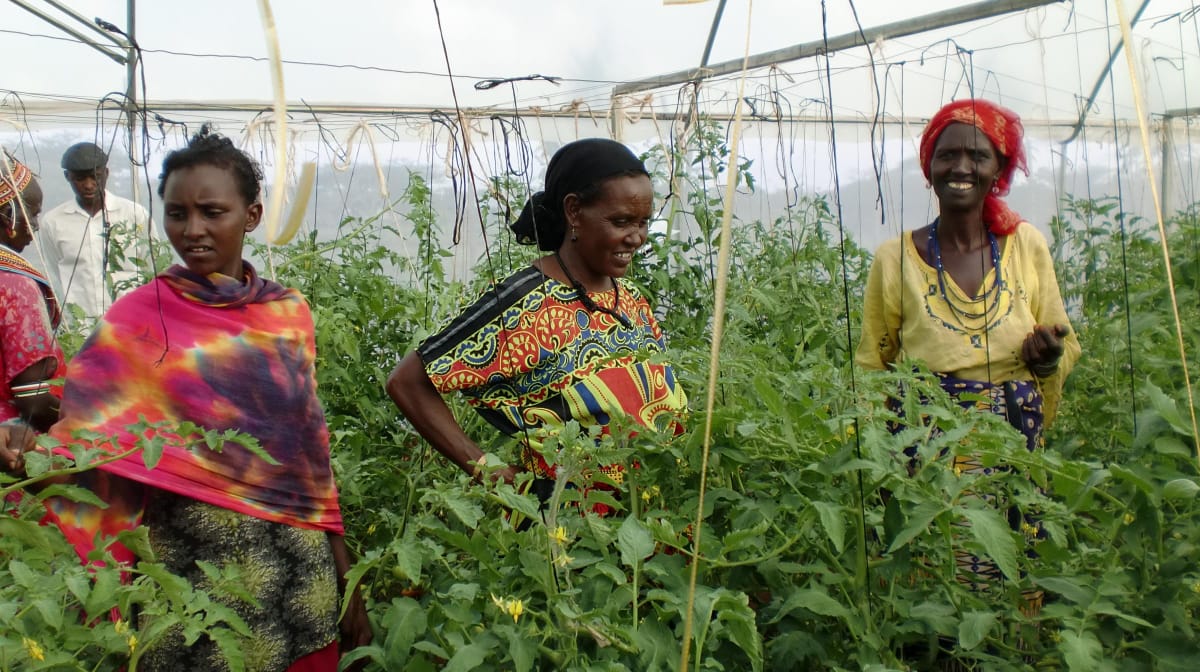
Sustainable Development
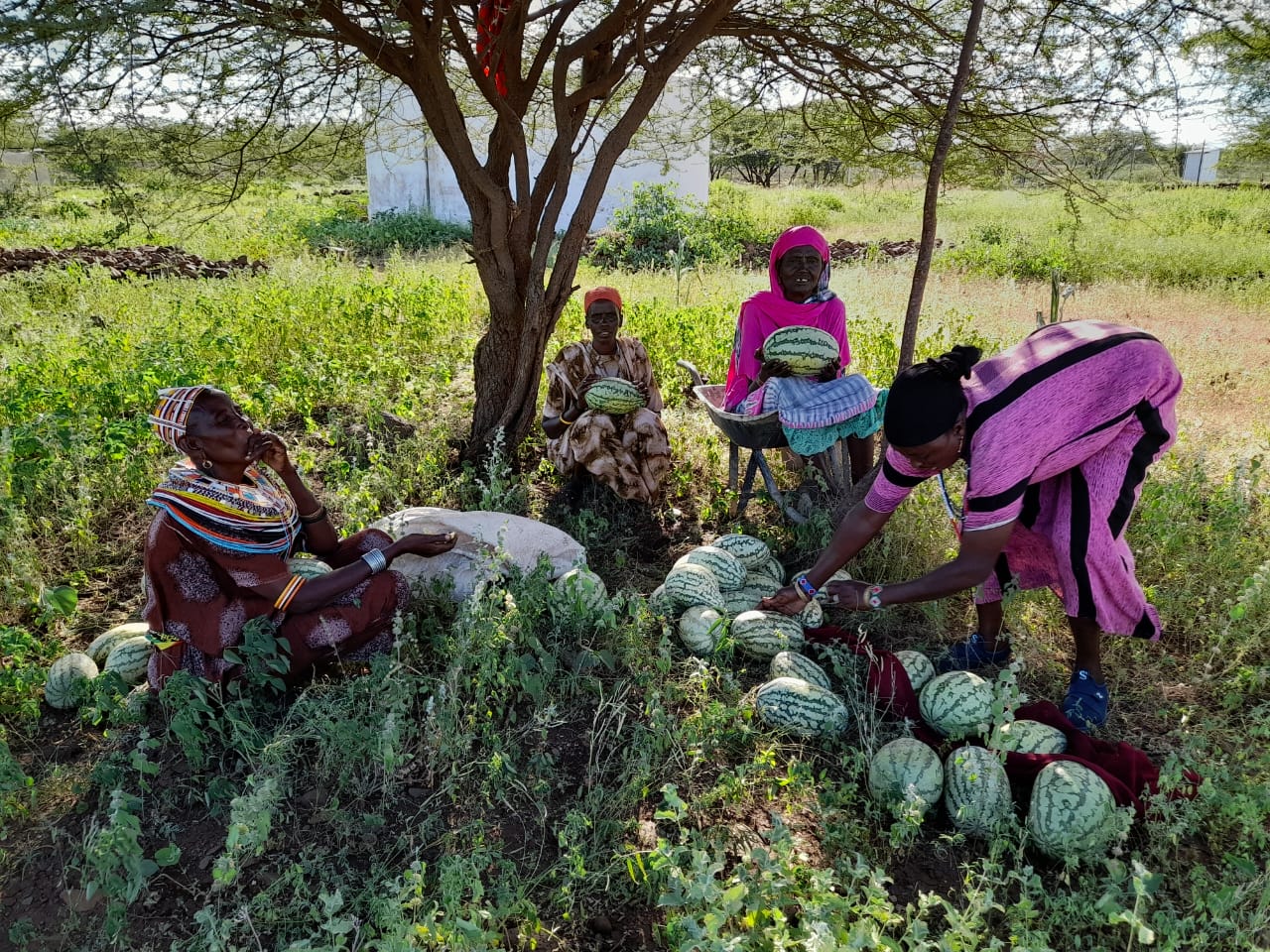
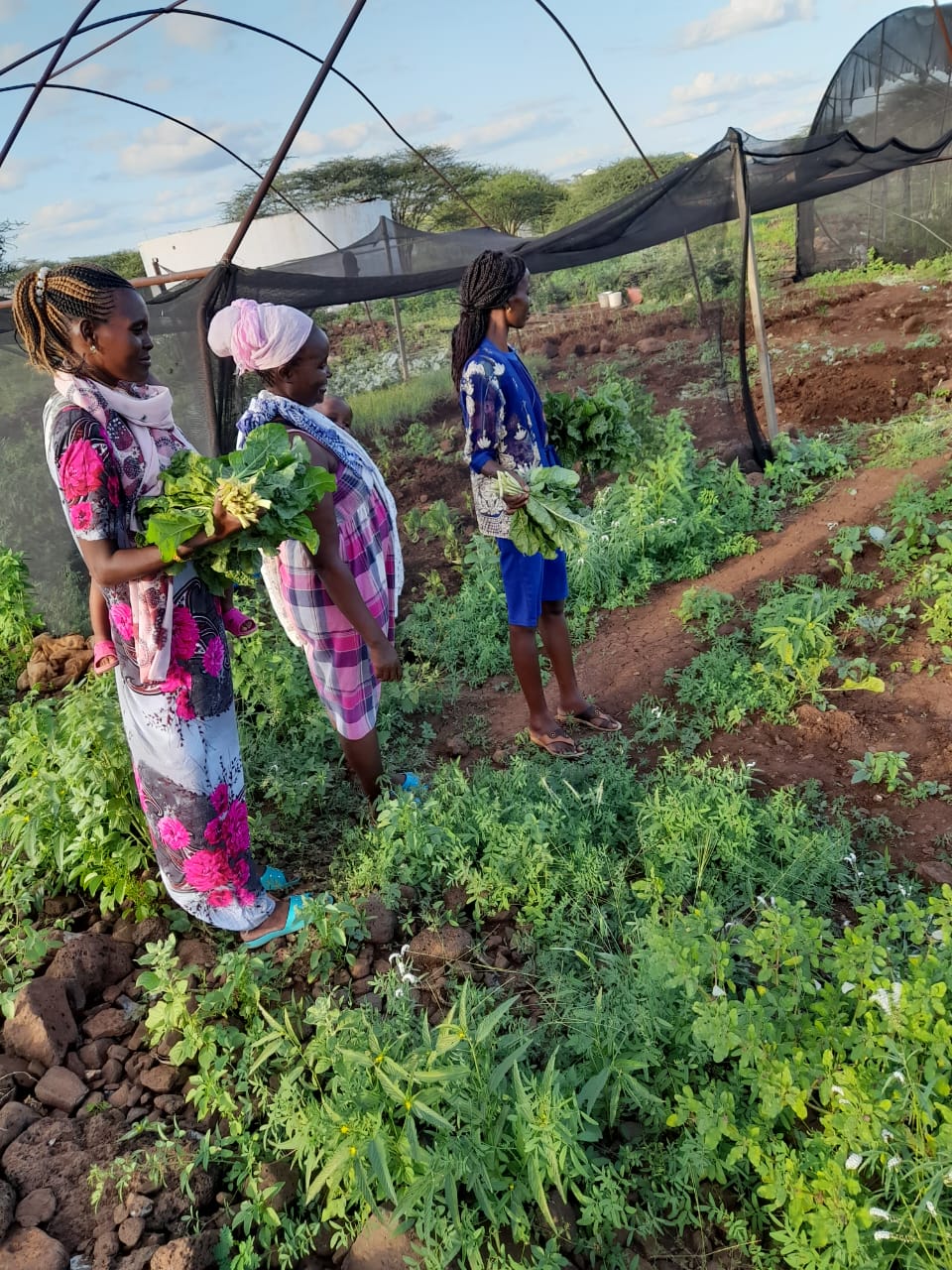
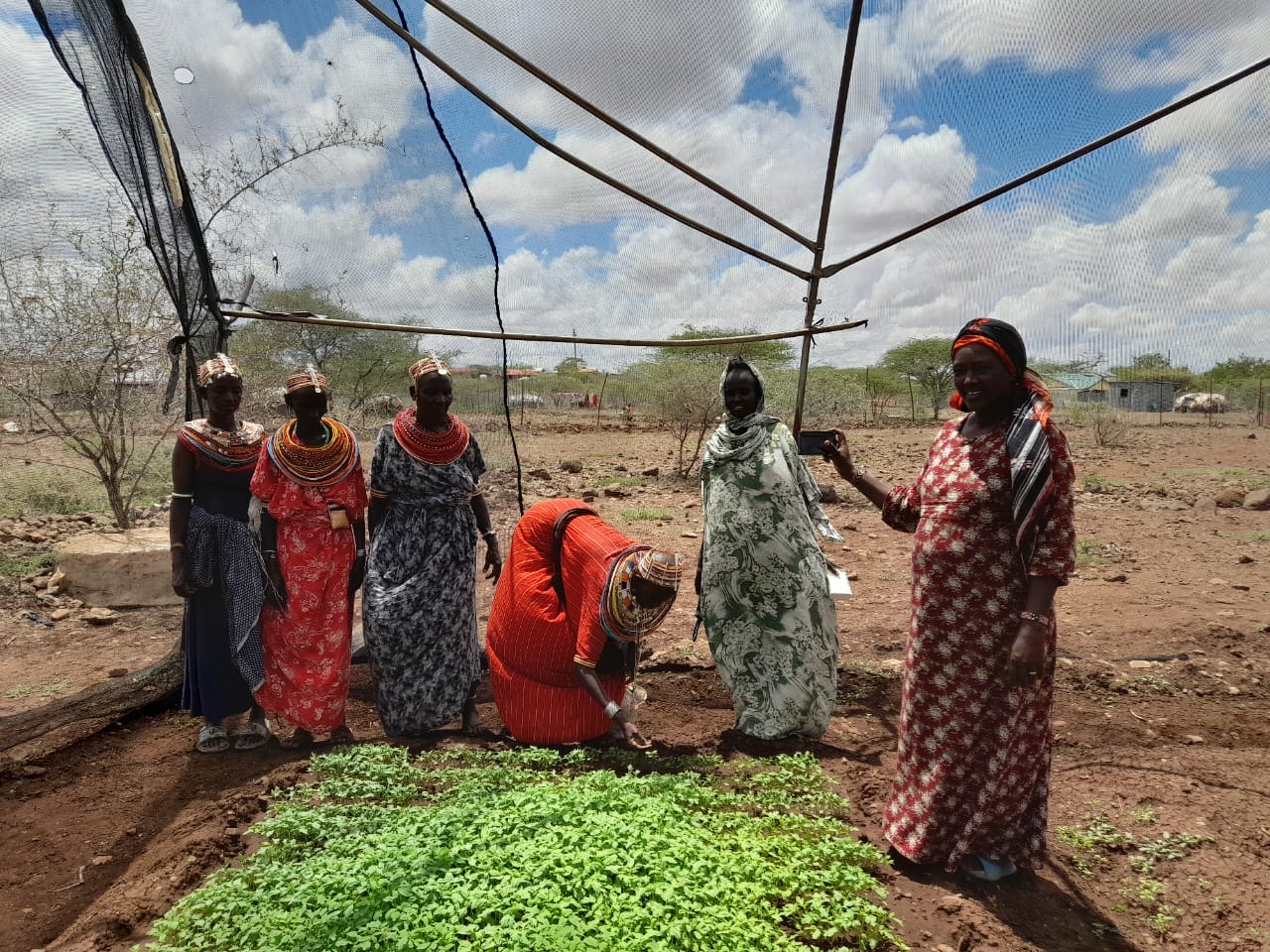
We promote sustainable land and agricultural practices that strengthen local communities, enhance livelihoods, and build resilience in the arid lands of Marsabit.
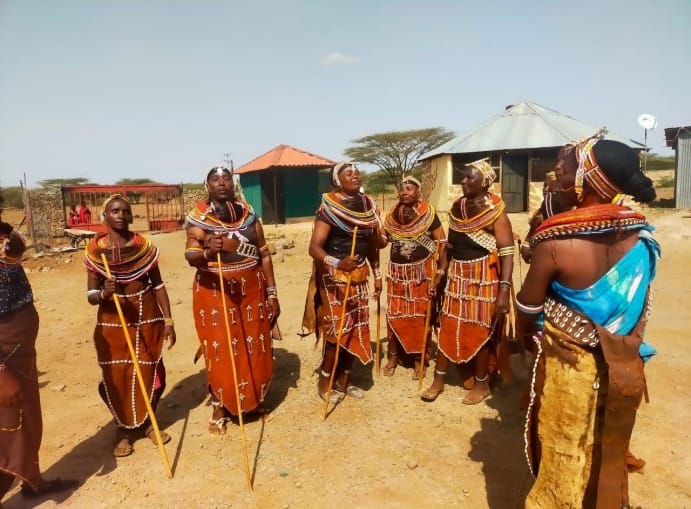
Cultural Preservation
Experience and celebrate the rich heritage of the Rendille people. Through cultural events, workshops, and community programs, we preserve traditions, arts, and indigenous knowledge, connecting culture to land and empowering future generations.
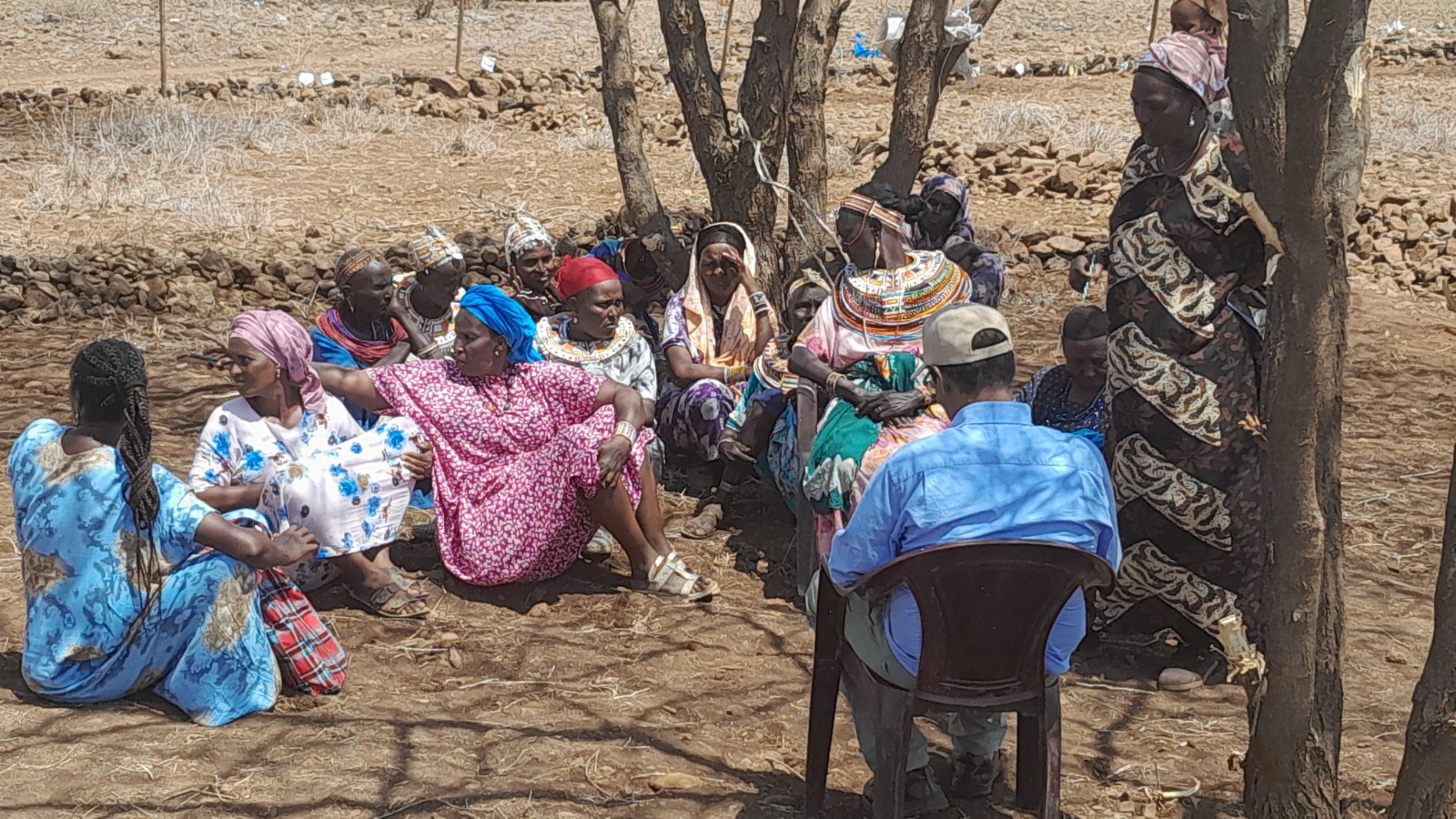
Women and Youth Empowerment
At Merigo Women Initiative, we promote confidence, skills, and leadership, empowering women and youth to realize their full potential. We provide opportunities to develop talents, manage land sustainably, and lead positive change in their communities.